
Tokyo Surroundings | the City of Yokohama
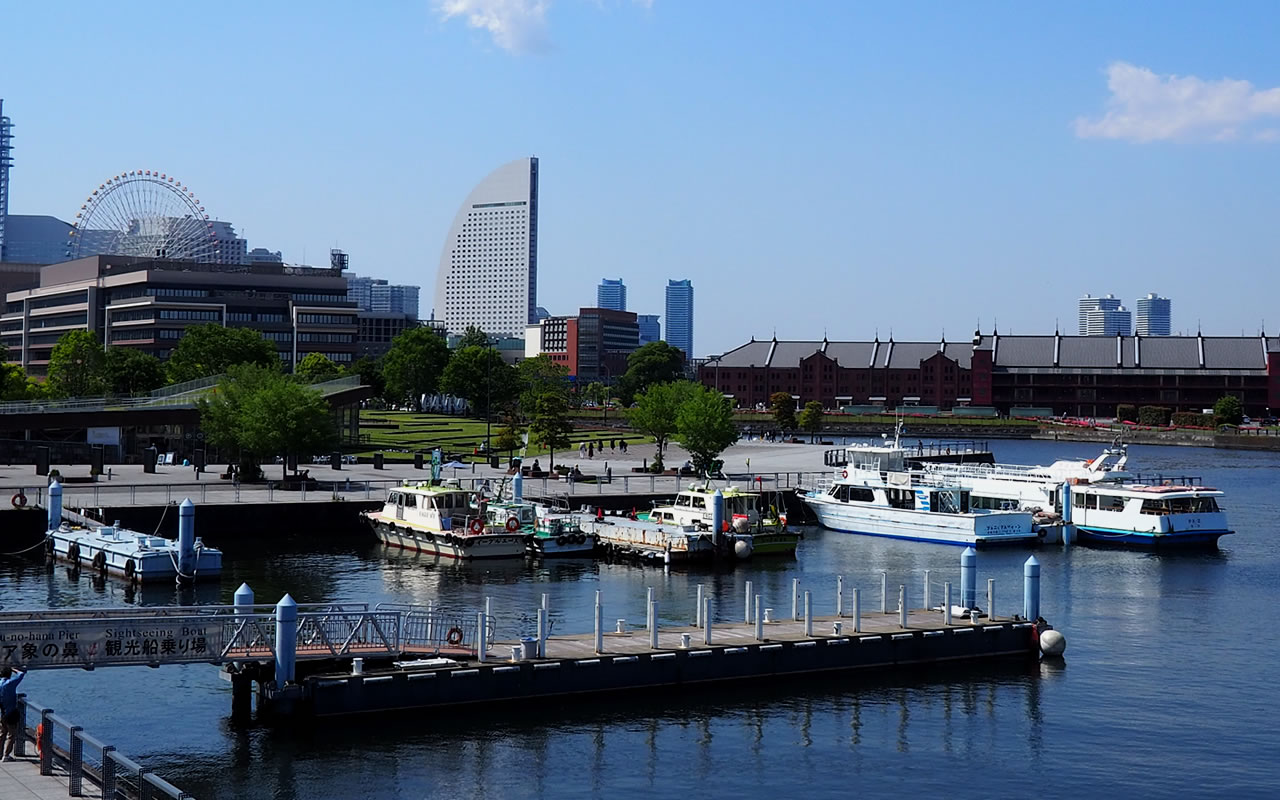
Yokohama 横浜 is a fast moving city with a population of more than 3.7 million people, making the city Japan's second largest city after the Metropolitan of Tokyo.
Yokohama - Japan's historic gateway to international culture.
Yokohama's modern era dates from 1859 when the port was opened to international trade. For over 165 years, Yokohama has served as an important gateway between Japan and the rest of the world, playing a crucial role in Japan's modernization and internationalization.
Yokohama was designed to attract immigrants for international business in Japan, featuring urban design based on Western styles. With its wide streets and Western gardens, the cityscape contrasts with the dense layout of Tokyo.
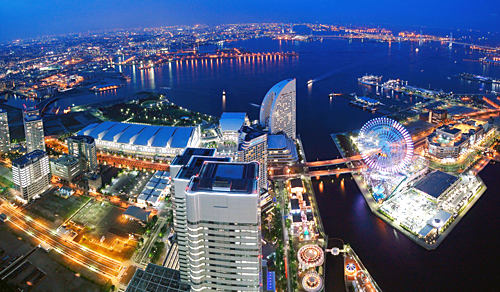
View of Yokohama Bay and Attractions
Yokohama City Tourist Attractions
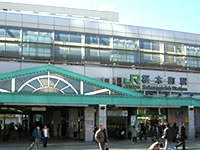
JR Sakuragichou Station JR桜木町駅
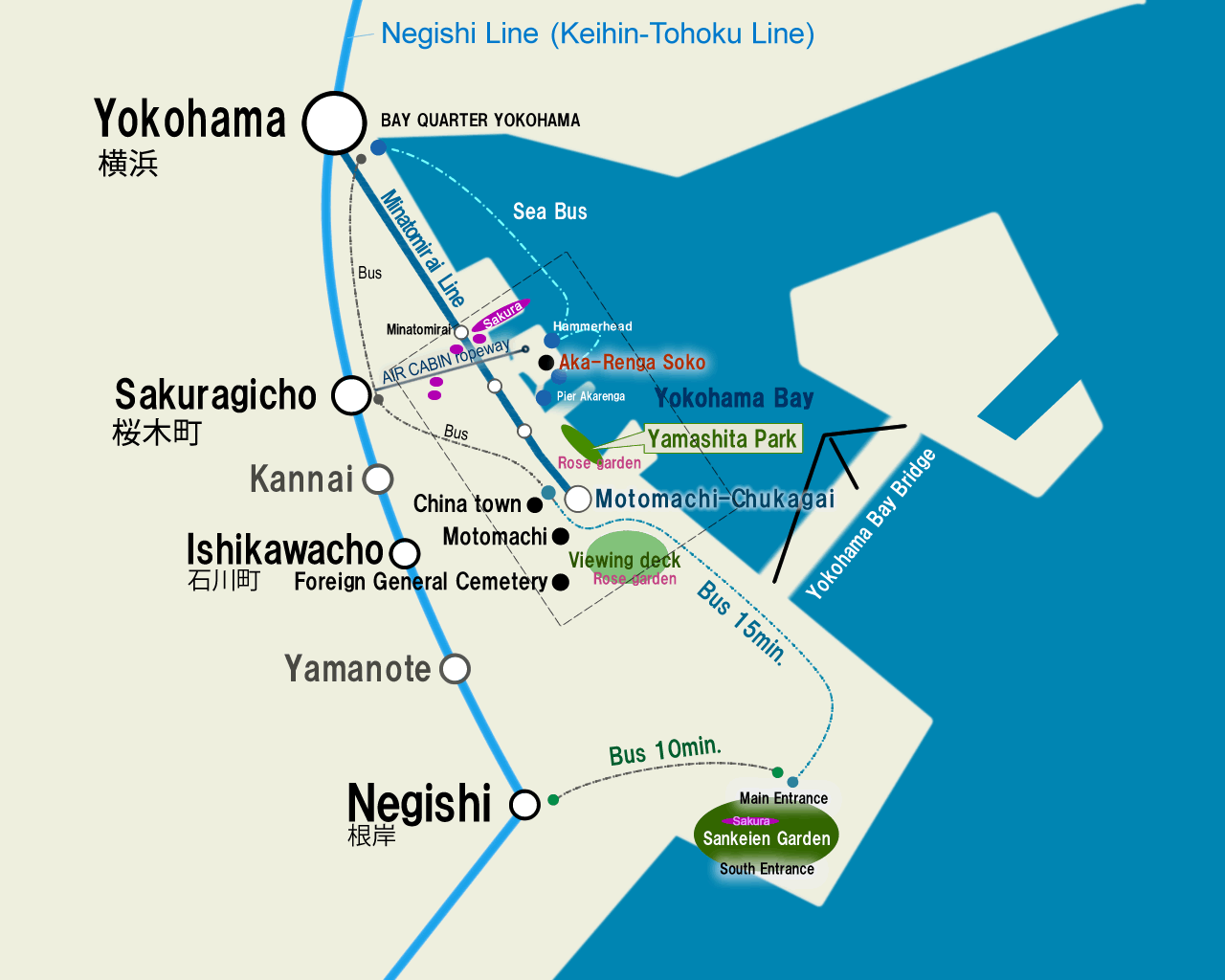
The Sakuragichou station is one of the best places to start your sightseeing in Yokohama. This station is so close to the Minato Mirai 21 complex, including the Yokohama Landmark Tower: the highest building in Japan.(296 m high with 70 floors)
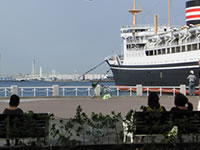
Yokohama Bay Area 横浜ベイエリア
Yokohama is a port city and at the wharf of Yokohama Bay you can find many attractions. From the Yamashita Koen Garden in front of the Hotel New Grand, to Akarenga Souko, a historical warehouse renovated into a complex containing many stores, cafes and galleries.
If you want to enjoy a great view of Yokohama Bay and the wharf, you can take a boat cruise from Yamashita Koen Garden to Pukari Sanbashi in the Minato Mirai 21 area.
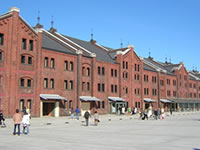
Akarenga Souko 赤レンガ倉庫 - Yokohama Red Brick Warehouse
If you begin your tour from Sakuragichou station, go straight to a small street near the wharf where you can see the Landmark Tower on your left behind.
If you keep walking, you will see an old red building in front of you. This is the Akarenga Souko, which was formerly a warehouse. This old building is now renovated and includes many cool shops and restaurants. It also has space for a theatre.
https://www.yokohama-akarenga.jp/
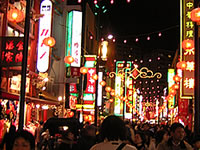
Yokohama China Town (Chukagai) 横浜中華街
The largest Chinatown in Japan. You can enjoy authentic Chinese food from hundreds of selective restaurants in the area. It is quite enjoyable to walk around and observe how Chinese culture is blended into Japanese culture.
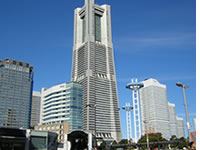
Minato Mirai 21 みなとみらい21
At Minato Mirai 21 (MM21), a new urban development to reclaim the seaside and harbour from industry, you will find a tall building, the Yokohama Landmark Tower and a large Ferris wheel called Cosmo Clock 21, the city's new landmarks. This area has become popular among couples as the place will give you a sense of a seaside resort, right inside the city. There are many shopping malls and art museums for your enjoyment. The Cup Noodle Museum is in the Minato Mirai 21 area, an 8-minute walk from Minatomirai Station.
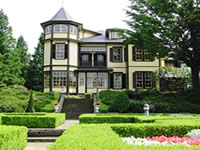
The Foreign Settlement 外国人居住地
A settlement of the western people in the Edo and Meiji period of Japan. In this uptown area, old western-style houses and the nostalgic atmosphere are retained. The photo on the right is the Italian Hill Garden (Italia Yama Teien イタリア山庭園), used to be the Italian consular office from 1880 to 1886.
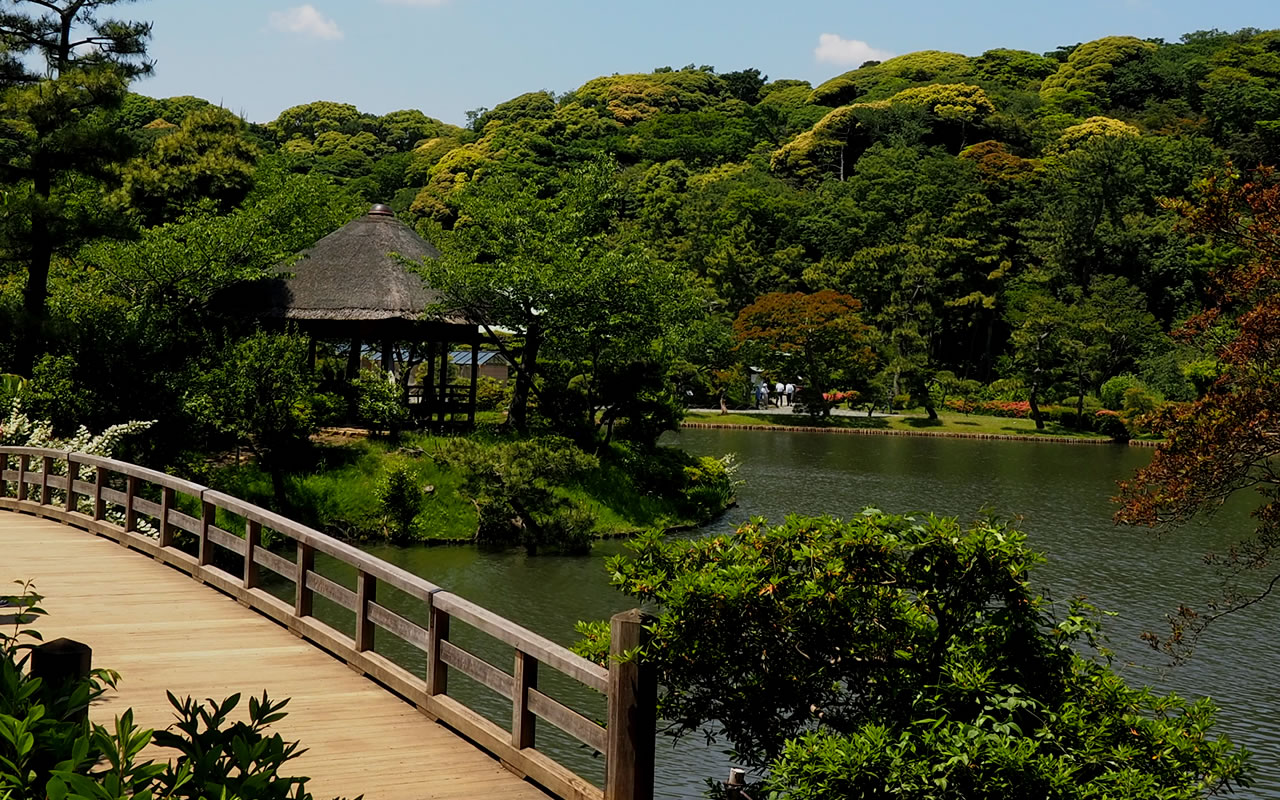
The Sankeien Garden 三溪園
Located on the coast, a short distance from downtown Yokohama, this traditional garden provides visitors with a serene escape into Japanese culture and landscape design, representing another aspect of historic Yokohama. The area features 17 historic structures that have been relocated from Kyoto and Kamakura.
Other attractions in the city of Yokohama
Yokohama has other places of interest:
Isezaki-chou 伊勢佐木町
an old town (used to be called Ginza in Yokohama)
Isezaki Shopping Street
Yokohama Baseball Stadium
home of the Yokohama Bay Stars.
https://www.yokohama-stadium.co.jp/
Yokohama Art Museum
Yokohama Hakkeijima Sea Paradise
https://www.seaparadise.co.jp/
Motomachi Shopping Street
- for a brief history of this famous street in Yokohama.
https://www.motomachi.or.jp/
How to get to Yokohama City
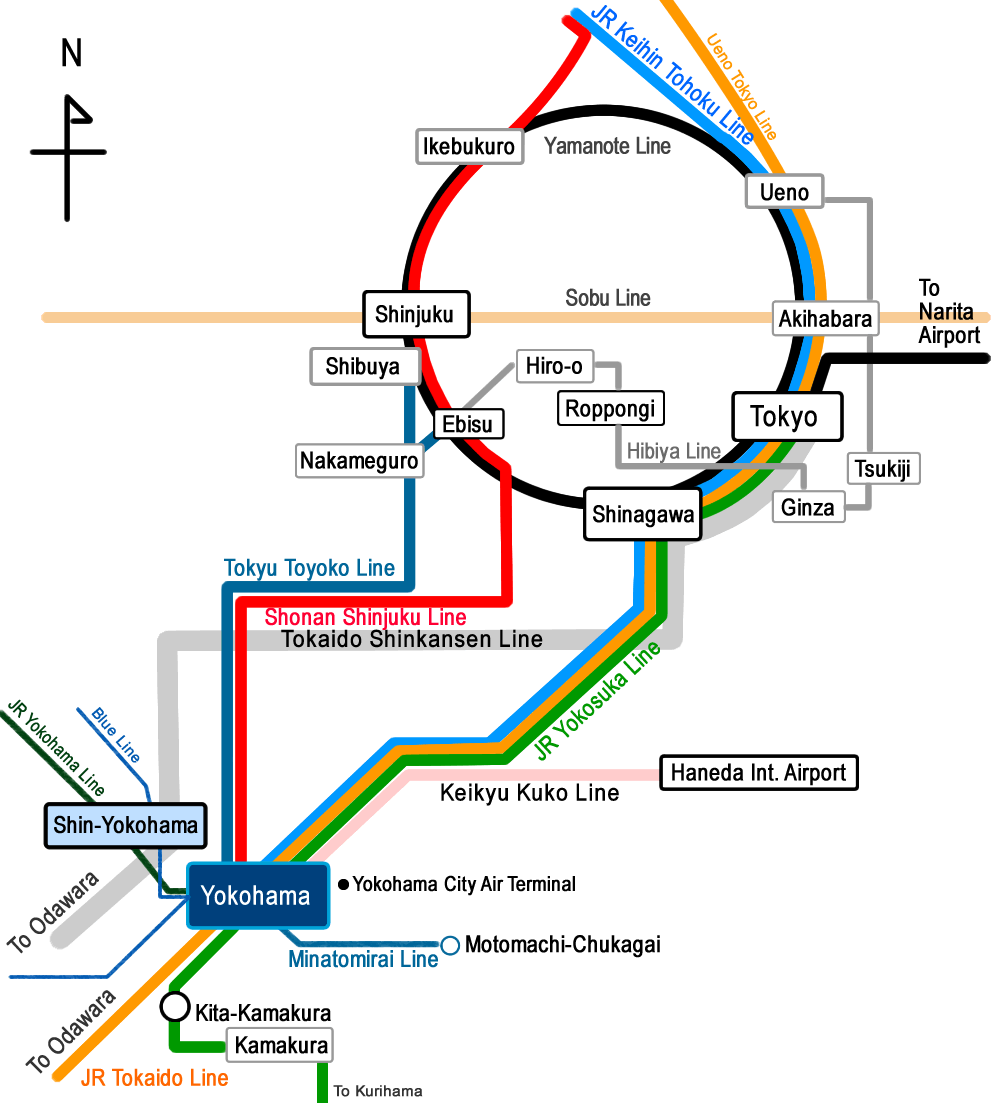
If you are staying in downtown Tokyo you can get to Yokohama from either the Tokyo or Shinjuku Stations.
By Train
By JR Keihin Tohoku Line
If you are travelling from Tokyo to Yokohama, it is easier to take JR Keihin Tohoku Line. Keihin Tohoku is the blue lined train running along with Yamanote line between JR Tabata Station and Shinagawa Station.
It takes about 40 minutes from JR Tokyo station to Sakuragichou station.
NOTE Some Keihin Tohoku line ends at Kamata Station without going to the Sakuragichou Station. Even in that case, you can easily take another Keihin Tohoku Line from Kamata station to go Sakuragichou.
From the Shinjuku Station in Tokyo
If you come from the Shinjuku Station in Tokyo, you can take the JR Yamanote Line to Shinagawa where you can take Keihin Tohoku Line.
If you go to Yokohama Station from Shinjuku or Shibuya Station, you can
also take Shonan-Shinjuku Line that goes to Yokohama from Shinjuku without changing trains.
Attention! Please do not confuse Yokohama Station with Shin-Yokohama Station
You can only board the Shinkansen (bullet train) at Shin-Yokohama Station. If you arrive at Yokohama Station instead, take a local train to Shin-Yokohama Station.
The trip from Yokohama Station to Shin-Yokohama Station takes about 12 minutes by train. You can use the JR Yokohama Line or the Yokohama City Subway Blue Line. Trains run often from Yokohama Station, making it easy to get there.
Yokohama downtown area
JR-EAST Special Tickets - Yokohama-MInatomirai Pass (横浜・みなとみらいパス)
https://www.jreast.co.jp/e/pass/yokohama_minatomirai.html
A convenient and money-saving train ticket enables you to avoid highway traffic congestion and comfortably sightsee, shop, and stroll throughout the Minato Mirai area by using the JR EAST.
[ Related Websites ]
Yokohama Visitors Guide
https://www.welcome.city.yokohama.jp/
