
Ume viewing spots in Tokyo
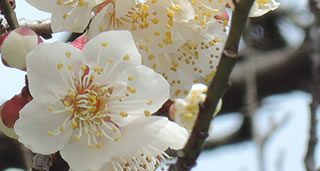
Back in the day when Tokyo was called Edo, people actually admired plum blossoms more than cherry blossoms. They might not be as flashy as cherries, but plum blossoms are loved for their soft fragrance and calm beauty. Plus, their blooms attract the cute Mejiro white-eye birds, which happily flit around looking for nectar—a lovely sign that spring is just around the corner.
Ume Viewing Spots in Tokyo 23 wards (Central Tokyo)
Viewing Ume (Japanese plum) blossoms is a winter attraction in Tokyo. Ume begins blooming in February and can be enjoyed for a month. During the Ume season, flower festivals are held at Ume spots.

1. Yushima Tenjin Shrine
2. Koishikawa Korakuen
3. Sumida Park
4. Mukojima Hyakkaen Garden (Ume garden)
5. Jindai Botanical gardens
6. Hanegi Koen Park
7. Ikegami Baien (Ume garden)
8. Shinagawa City Kumin-koen Park
1. Yushima Tenjin Shrine (Yushima Tenmangu)
湯島天神
Yushima Tenmangu Shrine, founded in 458, is a historic site dedicated to Sugawara no Michizane, the god of learning. Many students visit to pray for exam success. Michizane loved plum blossoms, so the shrine has many plum trees and is a favorite spot for blossom viewing. Because Michizane is also known as Tenjin, the shrine is often called Yushima Tenjin.
Nearby attractions: Ameyoko shopping street, Ueno park, Akihabara

Yushima Tenjin Shrine
https://www.yushimatenjin.or.jp/
Admission is free.
Getting there:
8-min walk from JR Okachimachi Station
2-min walk from Yushima Station on the Chiyoda Subway Line.
Google Maps -Yushima Tenjin
2. Koishikawa Korakuen
小石川後楽園
The garden formerly a part of the residence of the Daimyo (Japanese feudal lord) of Mito Tokugawa family. The garden has landscapes inspired by the beautiful scenery of Japan and China. It is recognized by the national government as both a Special Historic Site and a Special Place of Scenic Beauty. Visitors can enjoy the garden in every season, with plum and cherry blossoms, irises, and colorful autumn leaves.
Nearby attractions: Tokyo Dome City

Koishikawa Korakuen Garden
https://www.tokyo-park.or.jp/teien/en/koishikawa/
ntrance fee: 300 JPY; 150 JPY for people aged 65 and over.
(Free for primary school children or younger, junior-high school students living or attending school in Tokyo)
Getting there
3-min walk from Iidabashi Station on the Toei Oedo Subway Line. (Exit C3)
8-min walk from JR Iidabashi Station,
8-min walk from Iidaashi Subway Station (Tokyo Metro Tozai Line, Yurakucho Line and Nanboku Line)
Google Maps - Koishikawa Korakuen
3. Sumida Park
隅田公園
A city park along both side of Sumida the River. The park on the western side of the Sumida River is known for a Sakura viewing spot. Ume trees (approx.150 trees) can be found at the park on the eastern side of the Sumida River, closer to the Tokyo Skytree Tower.
Nearby Attractions: Asakusa sightseeing, Tokyo Skytree, Sumida river cruise (Tokyo Cruise)
Sumida Park
https://sumidapark.jp/en/
Admission is free.
Getting there
10-min walk from Asakusa Station
Google Maps - Sumida Koen Park
4. Mukojima Hyakkaen Garden (Ume garden)
向島百花園
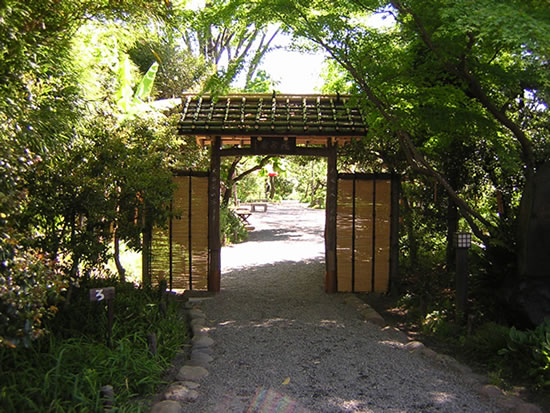
This historic garden was once one of the most popular spots for Ume viewing in old Tokyo. It still features nearly 20 varieties of Ume blossoms. Additionally, the landscape of the Skytree tower towering over the garden adds a modern attraction to the scenery.
Nearby attraction: Tobu Museum (Tobu railway train museum)
Information by Tokyo Metropolitan Park Association
https://www.tokyo-park.or.jp/park/mukojima-hyakkaen/
https://www.tokyo-park.or.jp/teien/en/mukojima/
Admission fees:
150 JPY (65 and over: 70 JPY)
Getting there
8-minute walk from Higashi Mukojima Station on the Tobu Skytree Line.
13-minute walk from Keisei Hikifune Station on the Keisei Oshiage Line.
Related article: Mukojima Hyakkaen Garden
5. Jindai Botanical gardens
神代植物園
Lies in Jindaiji, renowned for its temple and soba noodle specialties, this large botanical garden features a ume (plum) garden with 160 plum trees representing 70 varieties. During the ume season, various events are held in the gardens.
Nearby attractions: Jindaiji temple, Soba restaurants in traditional Japanese style
Information by Tokyo Metropolitan Park Association
https://www.tokyo-park.or.jp/park/jindai/
Admission fees:
500 JPY (65 and over: 250 JPY)
Getting there
About 30 minutes by bus from JR Kichijoji Station.
Related article: Jindaiji and Jindai botanical gardens
6. Hanegi Koen Park
羽根木公園
A city park of Setagaya-ku Ward, has about.650 Ume trees.
Nearby Attraction: Shimokitazawa town
Information by GoTokyo
https://www.gotokyo.org/en/spot/509/index
Admission is free.
Getting there
5-min walk from Umegaoka Station on the Odakyu Line
Google Maps - Hanegi Koen Park
7. Ikegami Baien (Ume garden)
池上梅園
A city garden of Ota-ku ward, located next to Ikegami Honmonji Temple. Has approximately 370 Ume trees.
Nearby Attractions: Ikegami Honmonji temple, Ryushi Memorial Museum (Japanese paintings and a traditional garden)
Information by Ota-ku Ward:
https://www.city.ota.tokyo.jp/shisetsu/park/ikegamibaien.html
Admission fees:
100 JPY for persons aged between 16 and 64
20 JPY for children aged under 15
Free for disabled persons and persons aged over 65
Getting there
12-min walk from Nishimagome Station on the Toei Asakusa Line
Google Maps - Ikegami Baien
Related article: Attractions in Ota-ku Ward, Tokyo
8. Shinagawa City Kumin-koen Park
しながわ区民公園
A small Ume garden located in Shinagawa City Park, known for various attractions; the Shinagawa Aquarium, Japanese garden, BBQ site, and sports facilities. Free rental bicycle service is available for kids and adults.
Nearby attractions: Shinagawa Aquarium
https://www.city.shinagawa.tokyo.jp/PC/shinagawaphotonews/shinagawaphotonews-2012/hpg000016197.html
Admission is free.
Getting there
15-min walk from JR Omori Station
Google Maps -Shinagawa City Kumin-koen Park
Related article : Attractions in Ota-ku (and Shinagawa) ward, Tokyo
Ume Spots around Tokyo area
Yoshino Baigo in Ome City, Western Tokyo 吉野梅郷
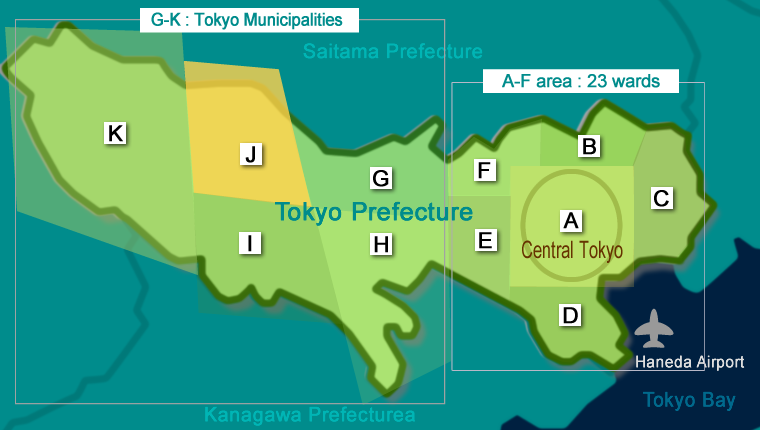
Ome City is the most famous city for Ume trees in Tokyo. The name "Ome" actually means green plums in Japanese. Oume Baigo is the area between Hinatawada Station 日向和田駅(JR Ome-sen line) and Futamatao Station 二俣尾駅 along the southern side of the Tamagawa River, approximately 4km long, where you can find various Ume spots.
Nearby attractions: Hinatawada Rinsen-teien Garden (Japanese garden. Admission free.), Ome town
Information by The association of Ome-city sightseeing secretariat
https://www.city.ome.tokyo.jp/site/omekanko/20296.html
Getting there
JR Shinjuku Sta. to Tachikawa Sta. by JR Chuo Line (Kaisoku Express 30 mins)
Tachikawa Sta. to Ome Sta. by JR Ome-sen Line (Kaisoku Express 33 mins)
Ome Sta. to Hinatawada Sta. JR Ome-sen Line (“Local” Line 5 mins)
Google Maps - Yoshino Baigo
Related article: Riverside Walk in Mitake Valley and Ome town
Naritasan Shinshoji Temple in Chiba prefecture 成田山新勝寺
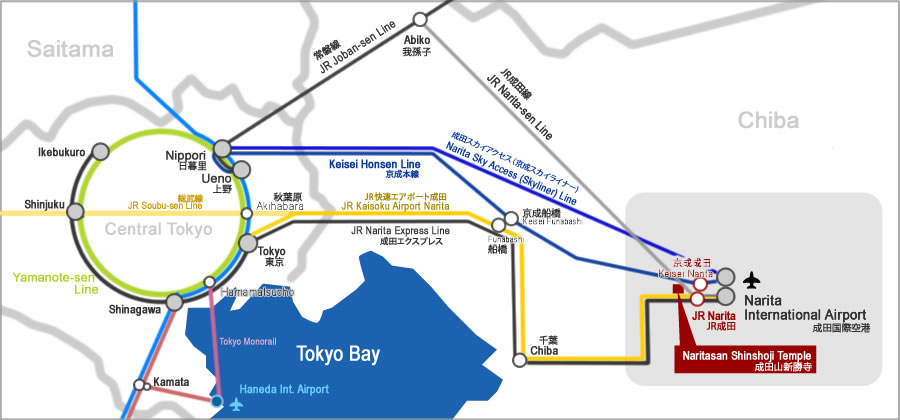
Close to Narita International Airport, Naritasan Shinshoji Temple is a favorite sightseeing spot to experience traditional Japanese culture. In the temple area, there is a park called Naritasan Koen where seasonal festivals are held. Ume festival is one of those popular festivals.
FEEL Narita:
https://www.nrtk.jp/
https://www.naritasan.or.jp/
Getting there
10-min walk from Keisei Narita Station or JR Narita Station.
8 min. from Keisei/JR Narita Station from Narita Airport Terminal 2 station (by Kyuko Express)
65 min. from Keisei Ueno Station to Keisei Narita Station (by Tokkyu Express)
Google Maps - Naritasan Shinshoji
Related article Attractions in Narita City : Naritasan Shinshoji Temple
Tsukuba Mountain in Ibaraki prefecture 筑波山

This large ume garden is situated at the foot of Mt. Tsukuba, which is a popular destination for day hikes from Tokyo. It’s a great place to visit after a day of hiking or just before relaxing in an onsen.
Nearby attractions: Hiking on Mt. Tsukuba, Onsen, Tsukuba Shrine
https://umematsuri.jp/
Related article: Mount Tsukuba
Omiya Daini Park (Omiya Park-2) 大宮第二公園
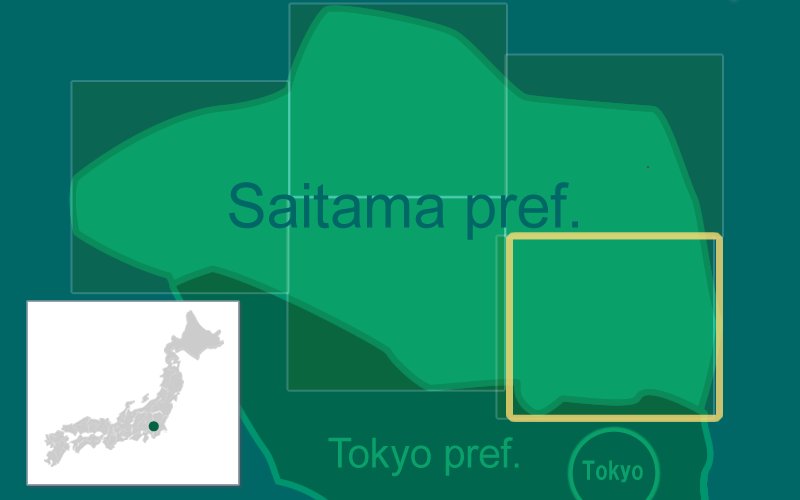
Omiya City boasts three large public parks, one of which is called Daini (Second Park). This park features a vast Ume garden with approximately 450 Ume trees representing 40 different varieties. During the Ume season, various events will take place, including tea ceremonies, music concerts, and a pottery market.
Nearby attractions: Bonsai village, Omiya City Soccer Studium
Information by Saitama Park and Greenery association
https://www.parks.or.jp/oomiya2-3/
Admission Free:
Getting there
About 30-min walk from JR Oiya Station (East Exit)
Related article: Attractions in Omiya, a transport hub with easy access from Tokyo
